AI-Assisted Early Alzheimer Screening Advances with Retinal Scanning
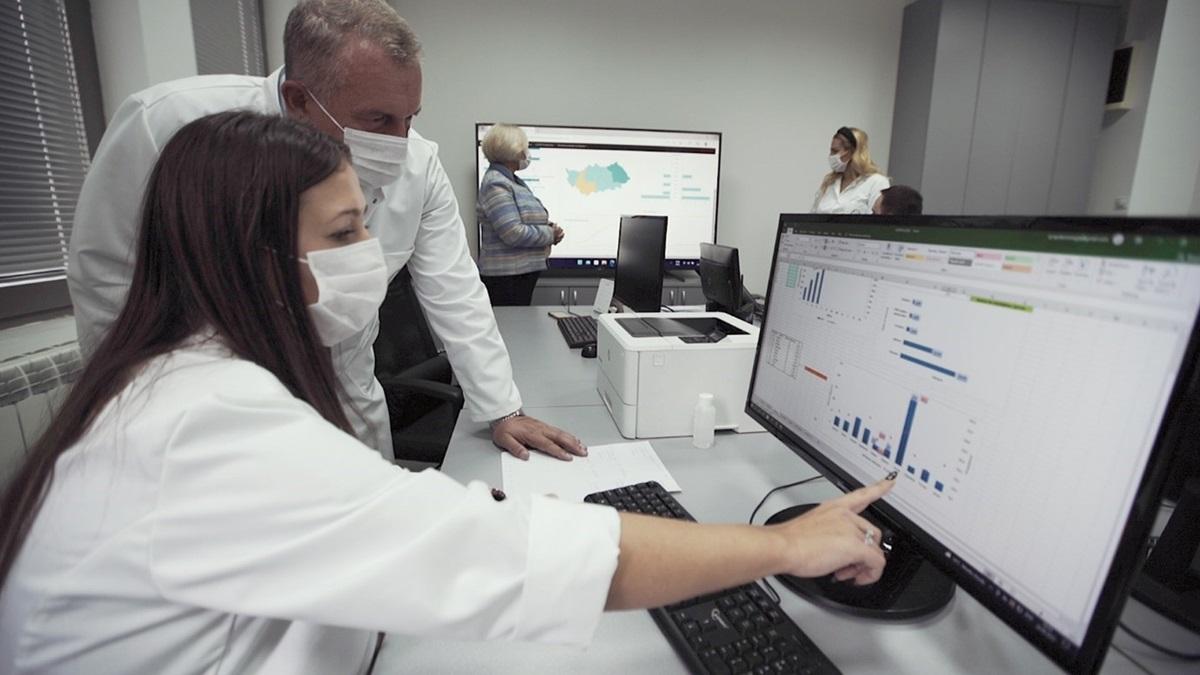
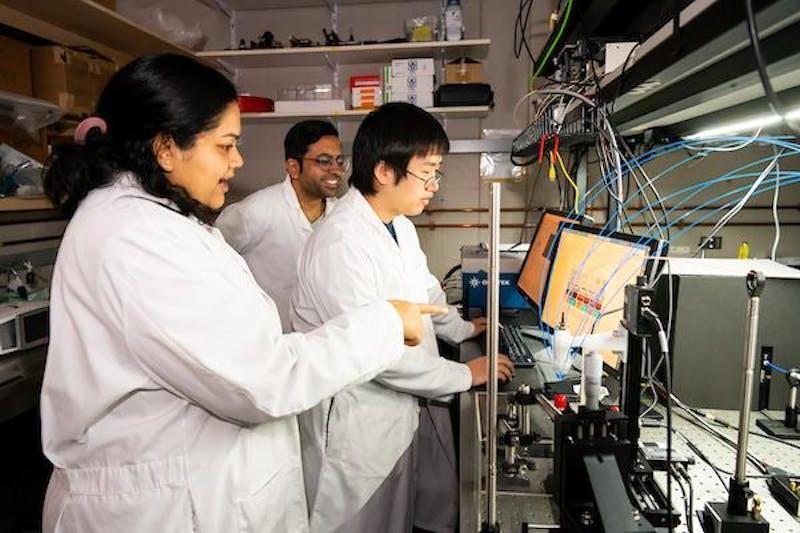
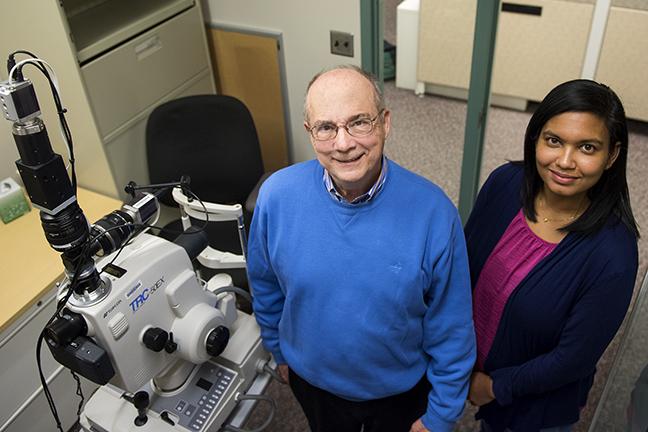
The University of Minnesota and RetiSpec combined spectral imaging with AI to look for early biomarkers in the retina — a non-invasive alternative to PET scans.
Read full story →Artificial intelligence is becoming a key engine of global science. Google's September 2026 research update shows AI is now applied to disease research, genetic analysis, weather prediction, natural-disaster warning and education — moving well beyond chat and office automation into the foundations of scientific work.
The University of Minnesota and RetiSpec combined spectral imaging with AI to look for early biomarkers in the retina — a non-invasive alternative to PET scans.
Read full story →
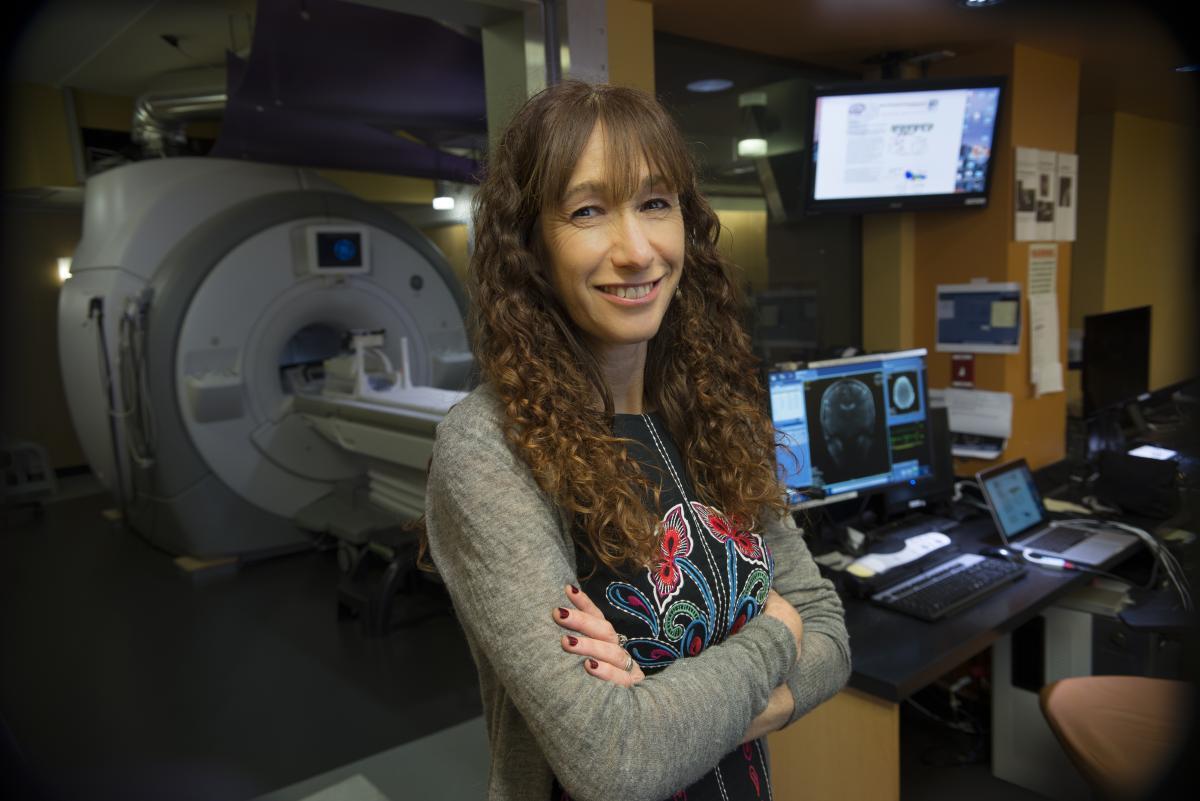
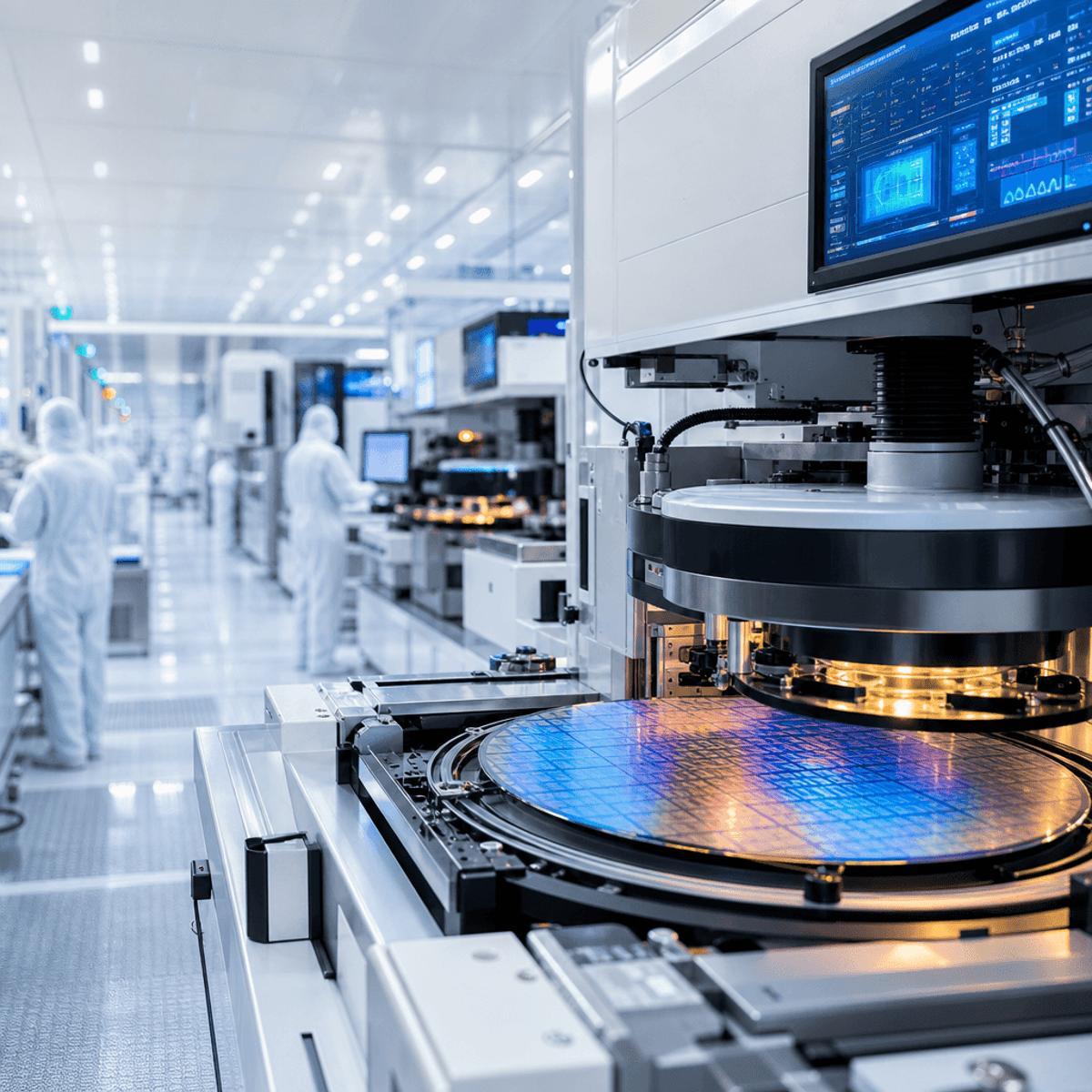
The PYTHIA project integrates microelectronics, sensors and on-chip AI into a small patch that tracks heart-failure and sepsis biomarkers — partly powered by body heat.
Read full story →
Stanford's Digital Brain Project uses advanced brain imaging and AI foundation models to predict how the brain changes in health and disease.
Read full story →
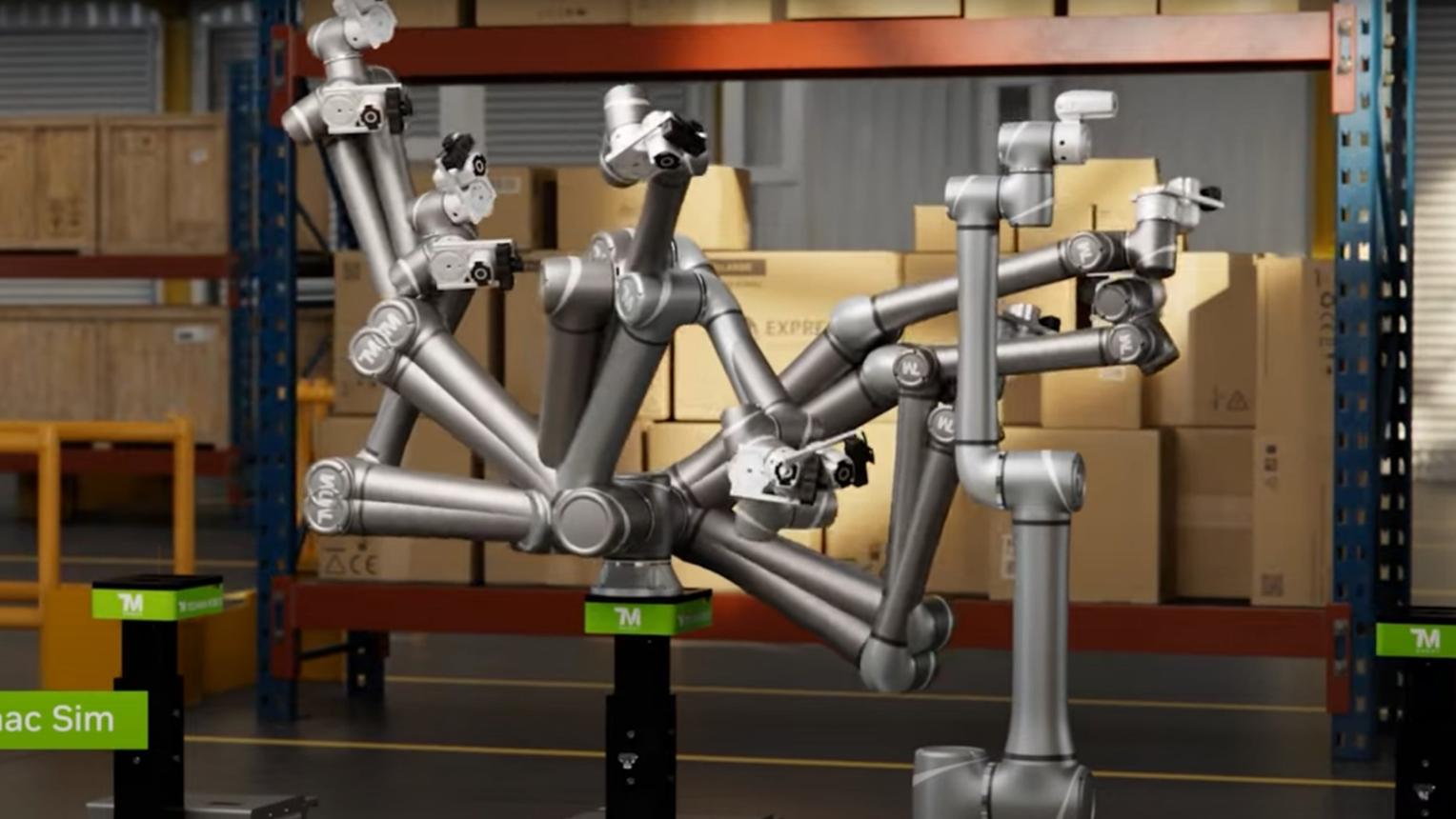
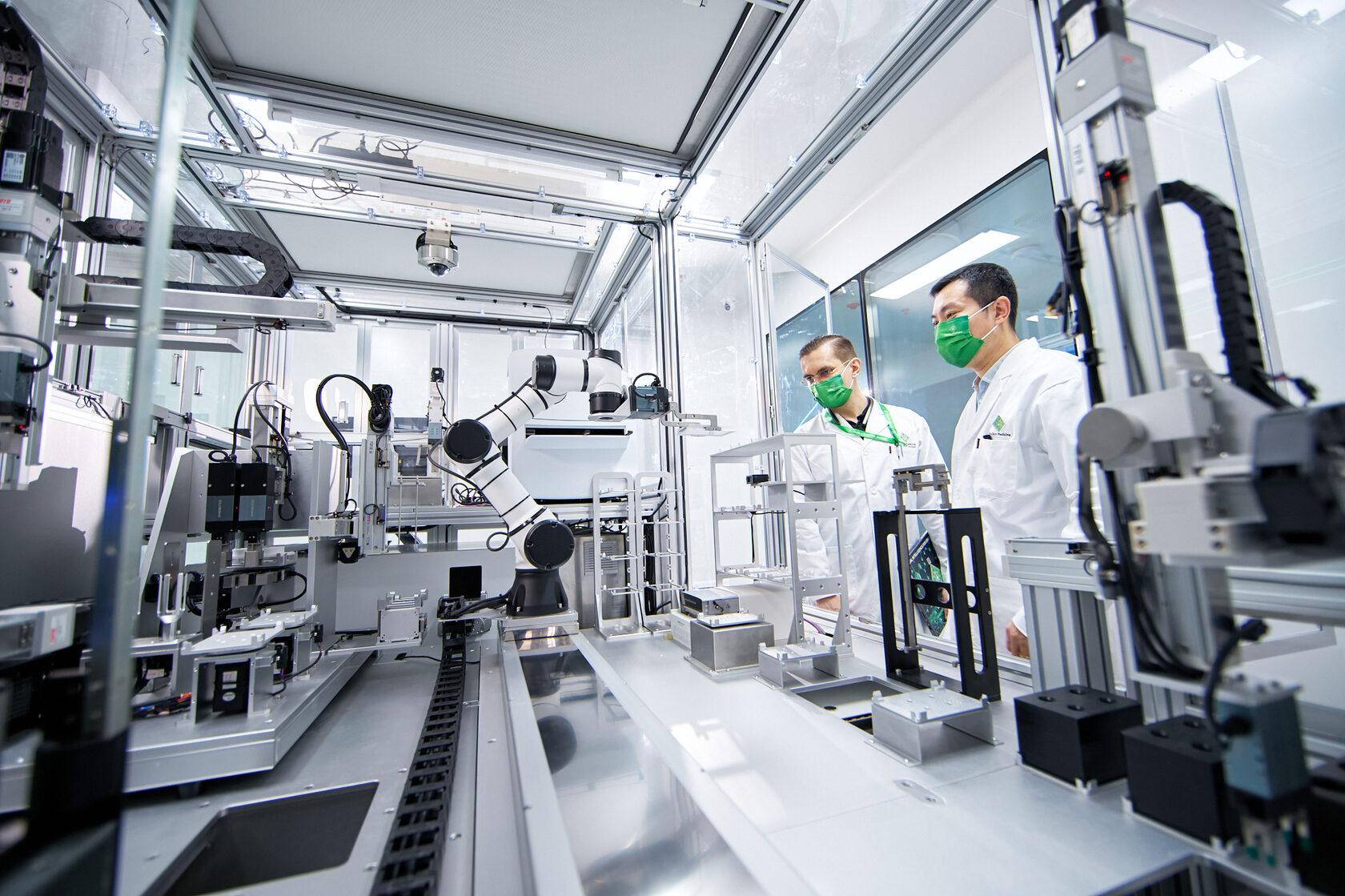
Developed with NYU, FLEX combines large language models with vision to infer deeper intent — so a robot told not to spill coffee also avoids other electronics.
Read full story →
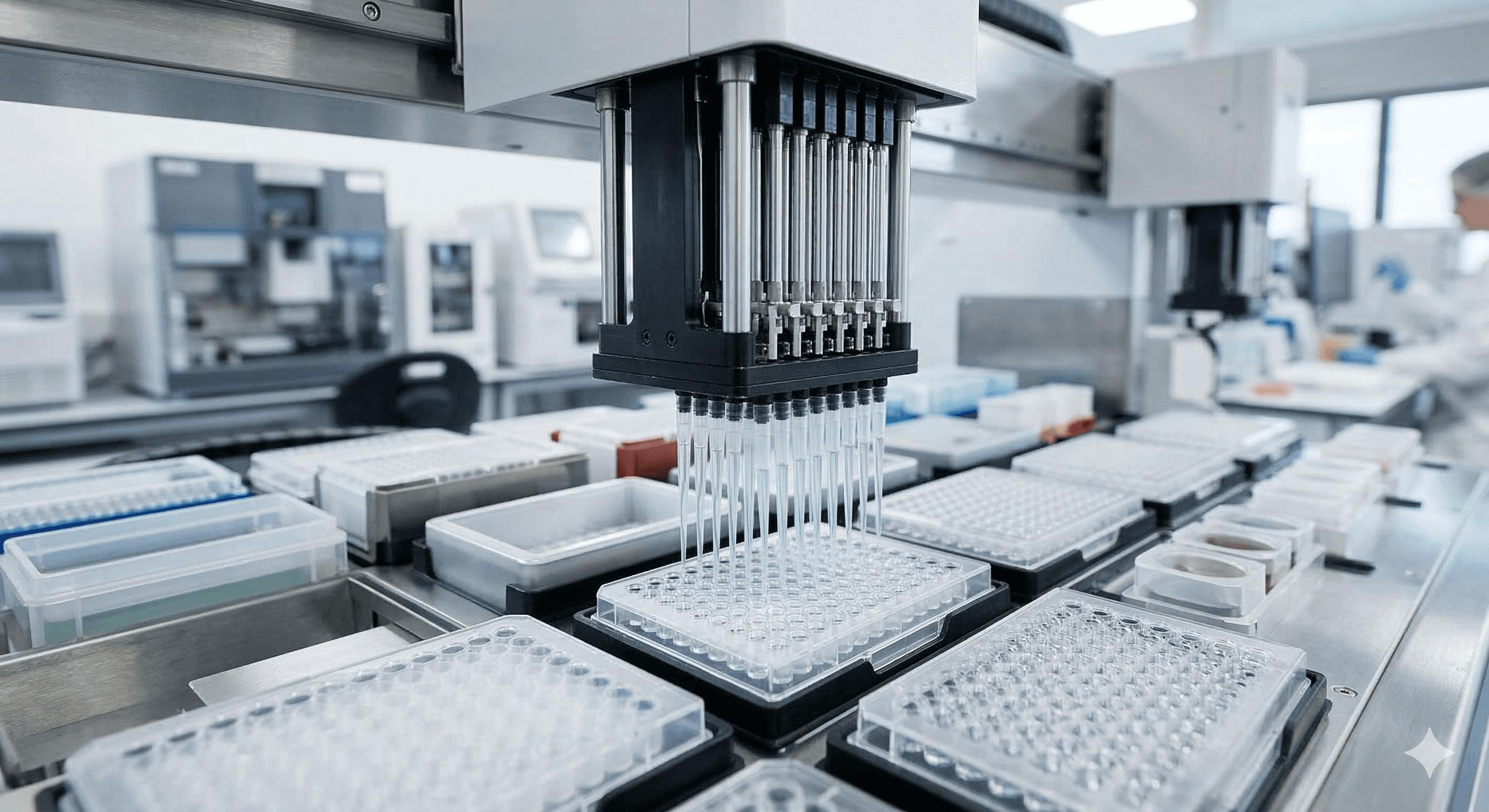
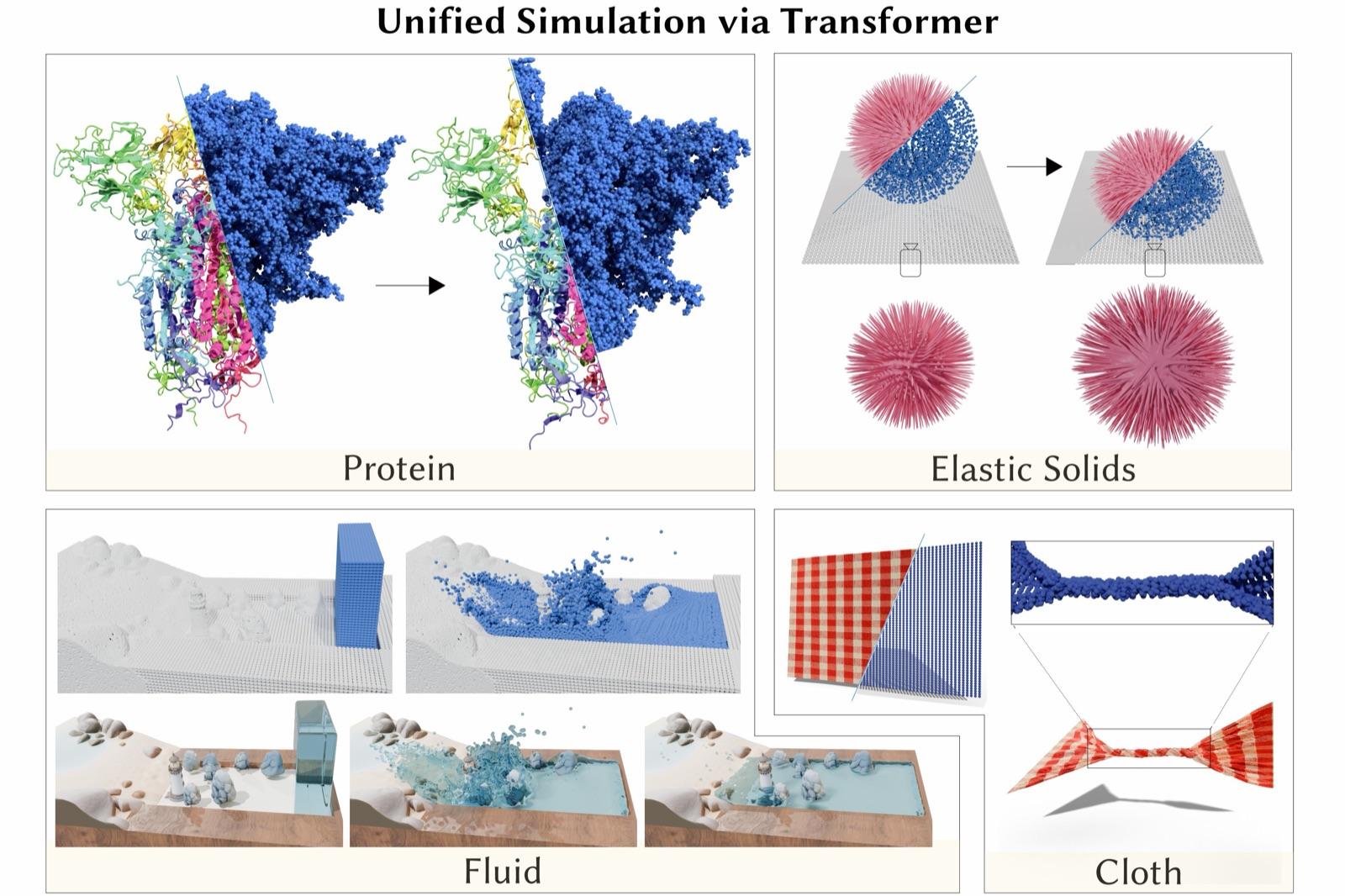
MIT and collaborators built one deep-learning system that represents materials as particles and predicts their motion, running some protein simulations about 100x faster.
Read full story →
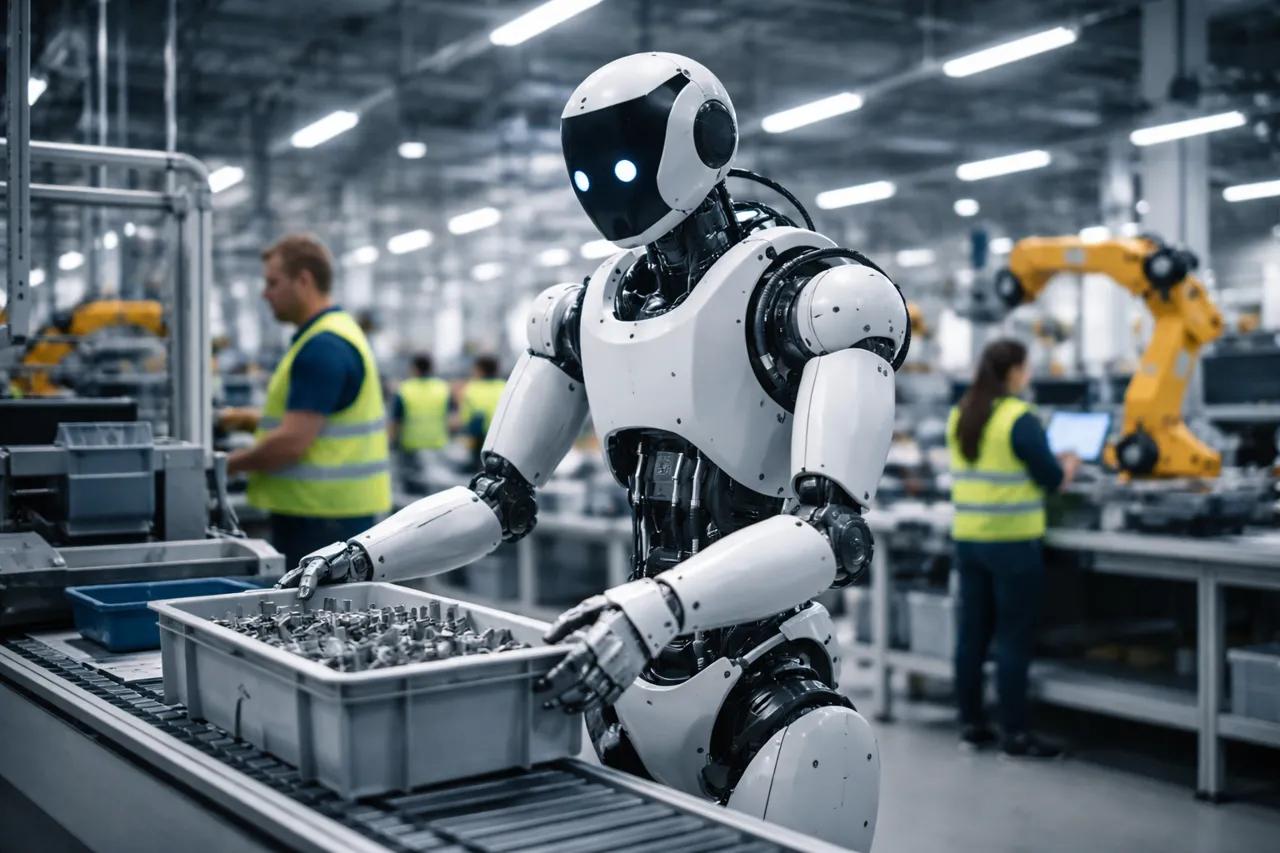
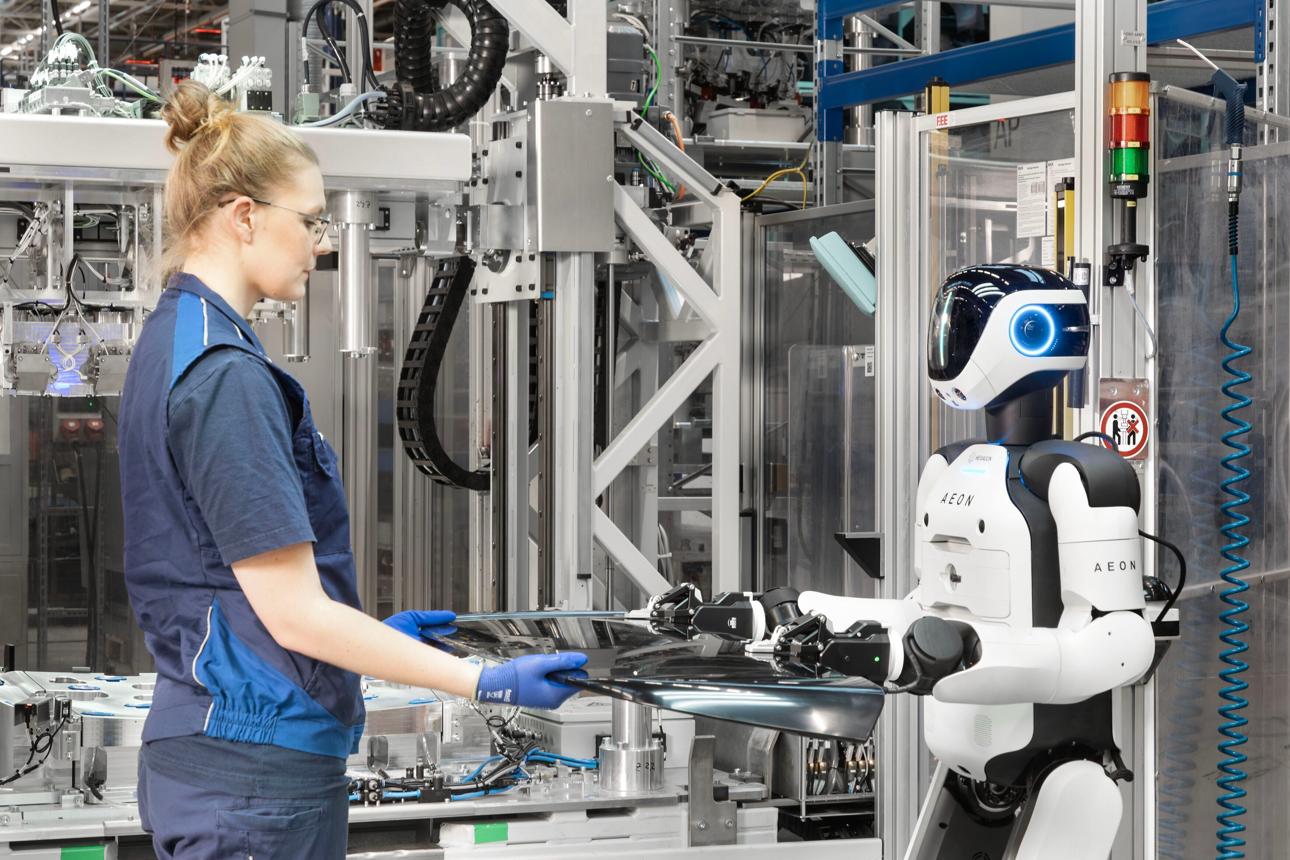
Infineon, STMicroelectronics and NXP say Europe's automotive, sensor and control expertise positions it to lead robotics and Physical AI, with humanoid robots already piloted.
Read full story →
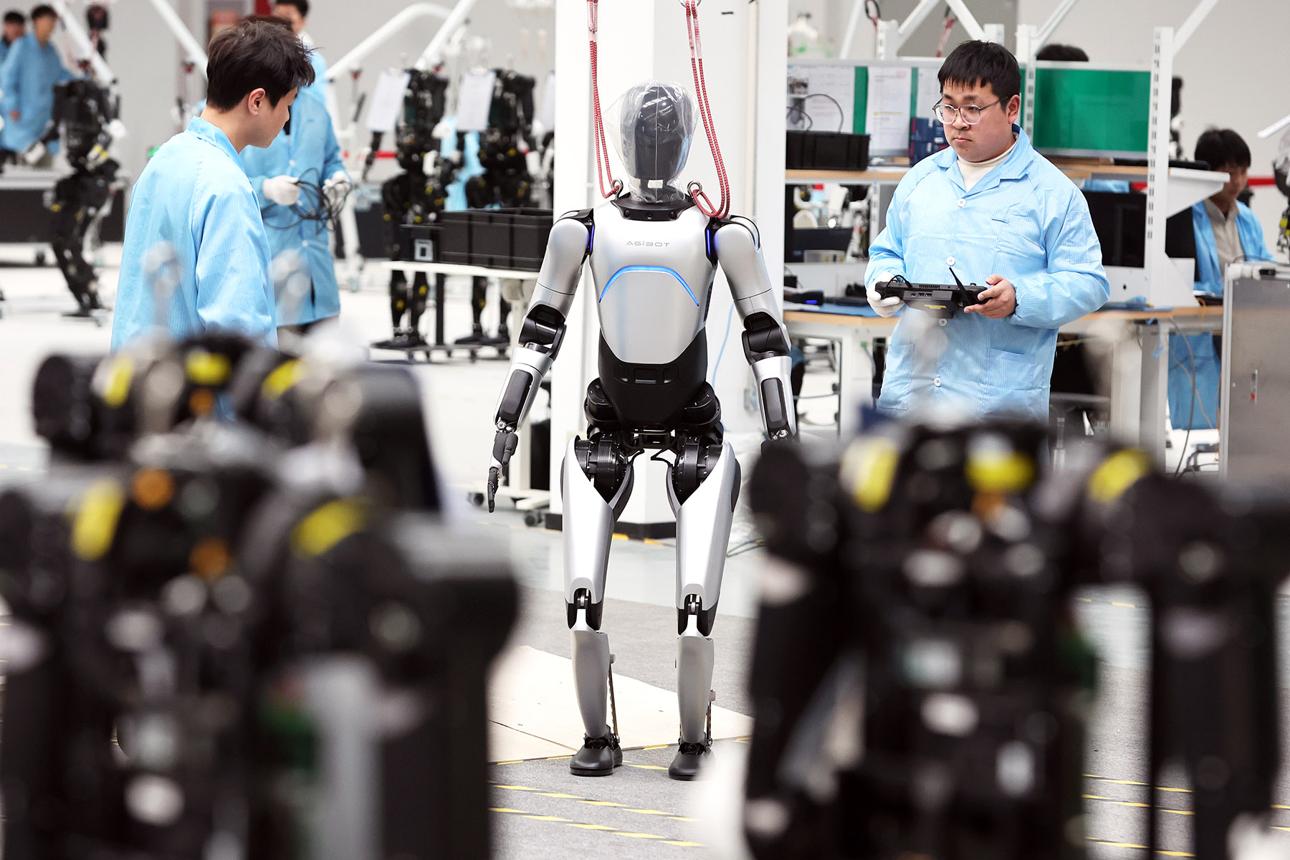
Chinese embodied-AI firms raised RMB 93.5 billion across 322 deals in H1 2026 — about five times the prior year — as focus shifts to robots that perceive and act.
Read full story →
AWS launched an open Physical AI Toolchain with NVIDIA technology to help developers build and scale robotics applications across industry, logistics and healthcare.
Read full story →Backed by the Laude Institute, the team's AI forecasts have already helped governments in South Asia and Africa reach more than 50 million smallholder farmers with monsoon timing.
Read full story →

Ai2's new climate modeling program, supported by Google.org and Google Research, builds on NeuralGCM to better simulate interactions between the atmosphere and the ocean.
Read full story →
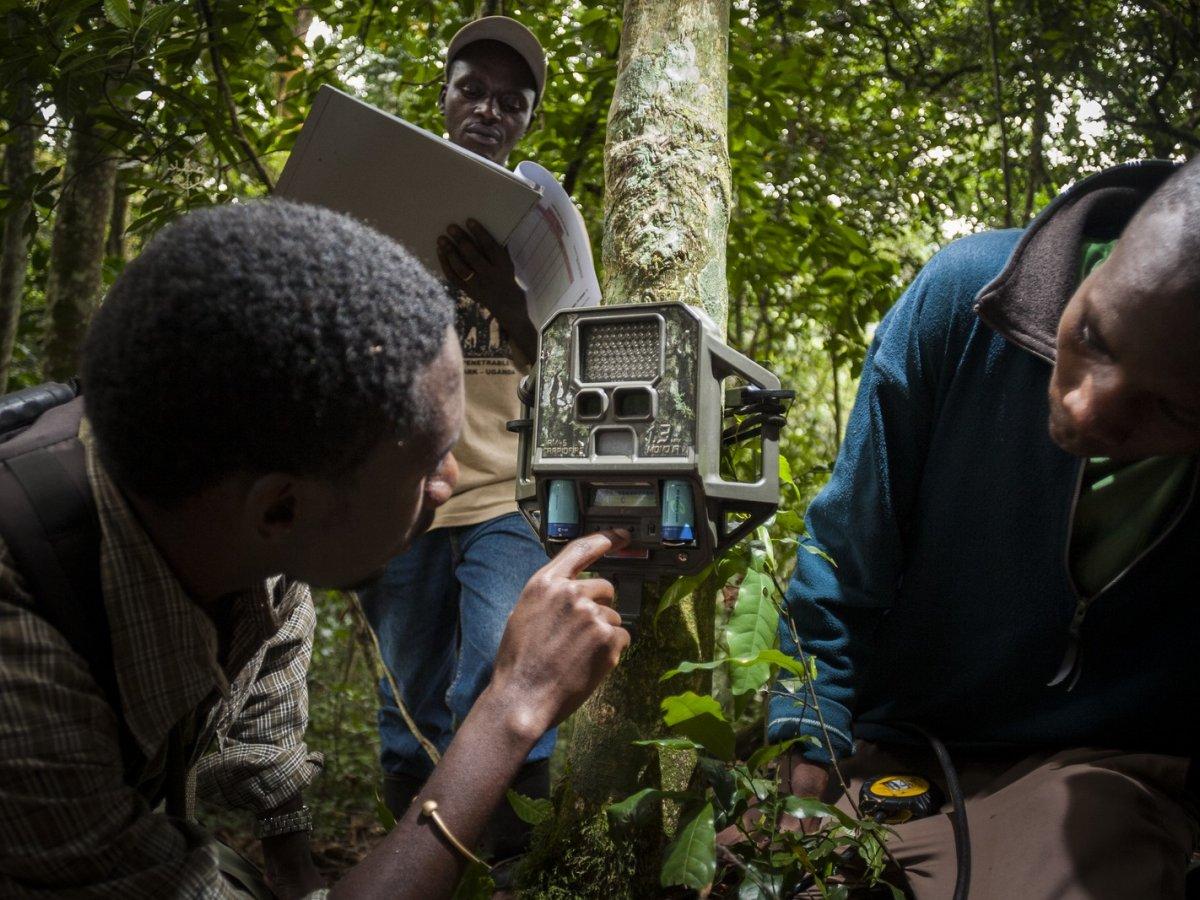
Conservation groups worldwide use AI vision to spot fire signals, count wildlife and analyze ecological change — while flagging the energy and water costs of AI data centers.
Read full story →
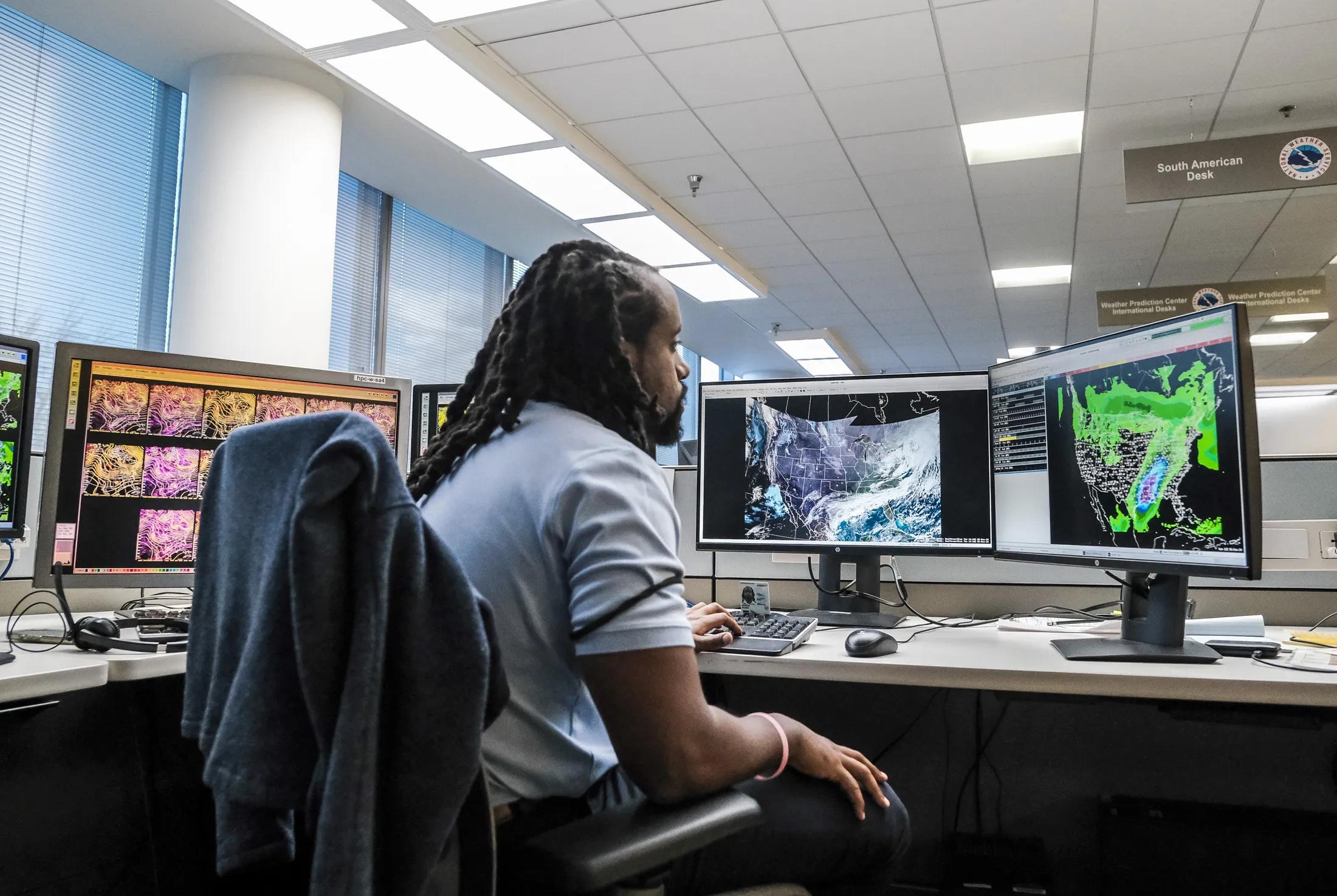
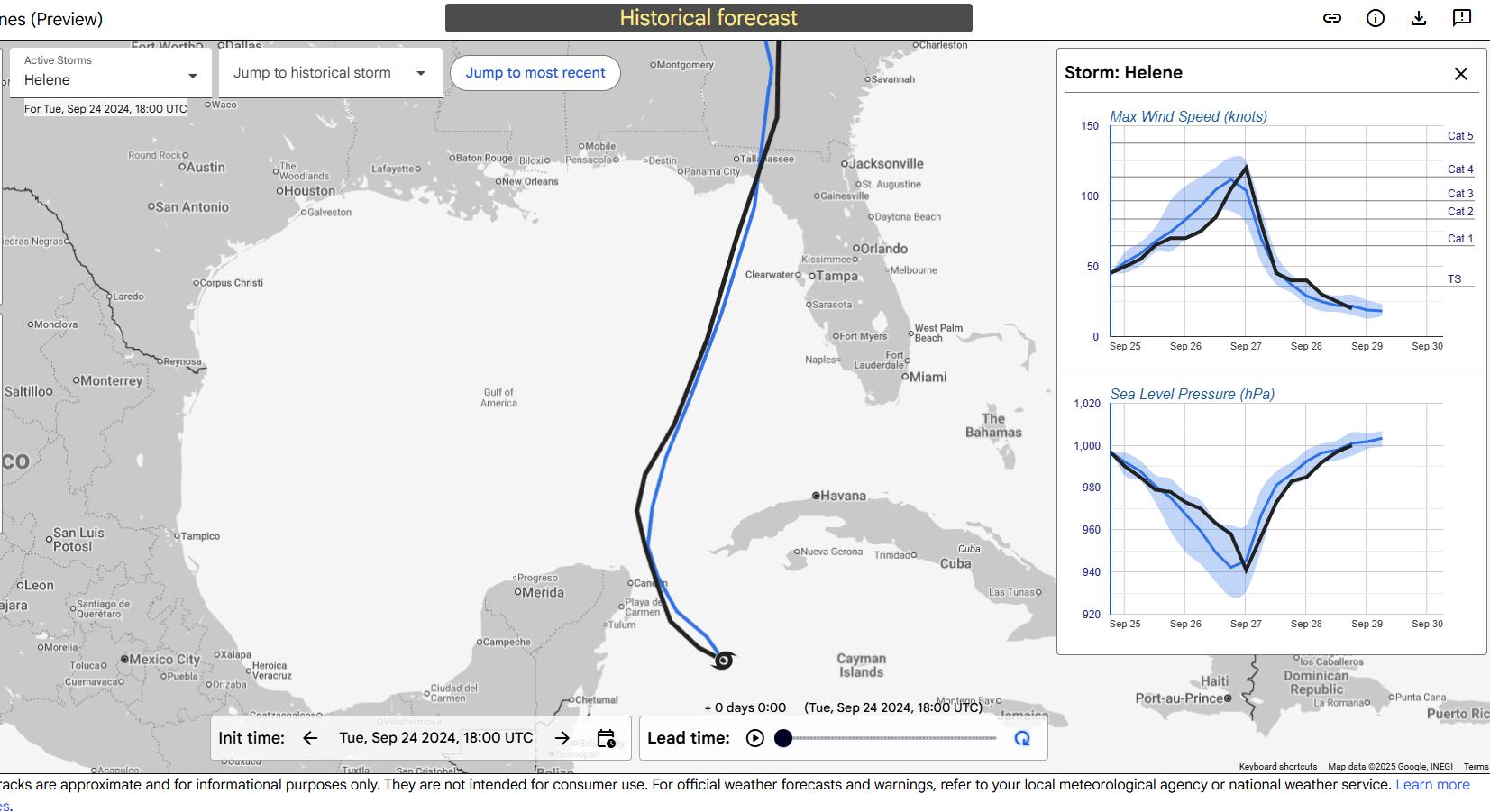
Google says WeatherNext 3 improved precipitation forecast accuracy by 50% at lead times of a day or more, supporting farming, aviation and disaster planning.
Read full story →
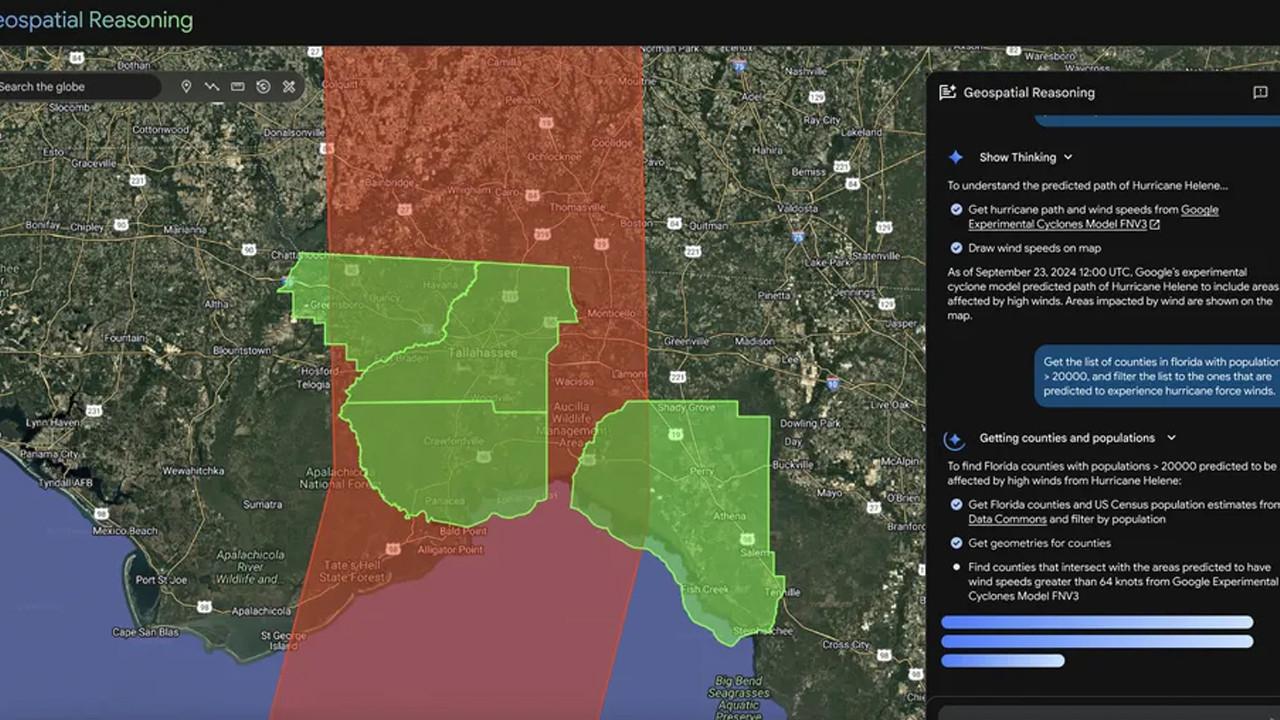
Google Research is extending Earth AI with geospatial foundation models and agents that help organizations analyze public-health risk, clean-energy investment and environmental change.
Read full story →
Google's Planetary Prediction Engine combines global health, food-security and socioeconomic data, and has been used in Ebola response work in the DRC and US risk analysis.
Read full story →

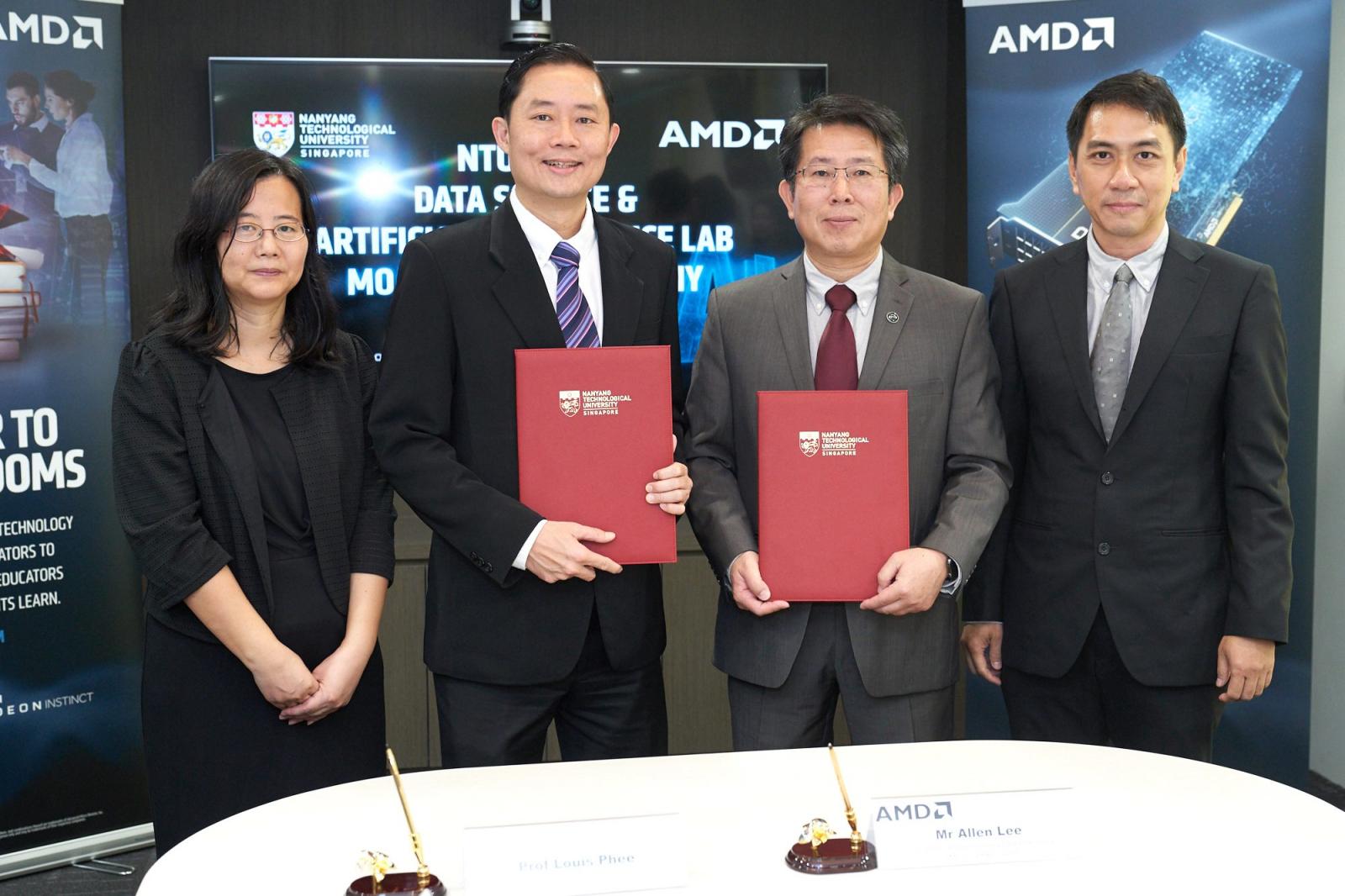
The collaboration spans campus AI use, Southeast Asian language models, frontier research and AI safety, targeting AI in 40% of undergraduate courses by 2030.
Read full story →
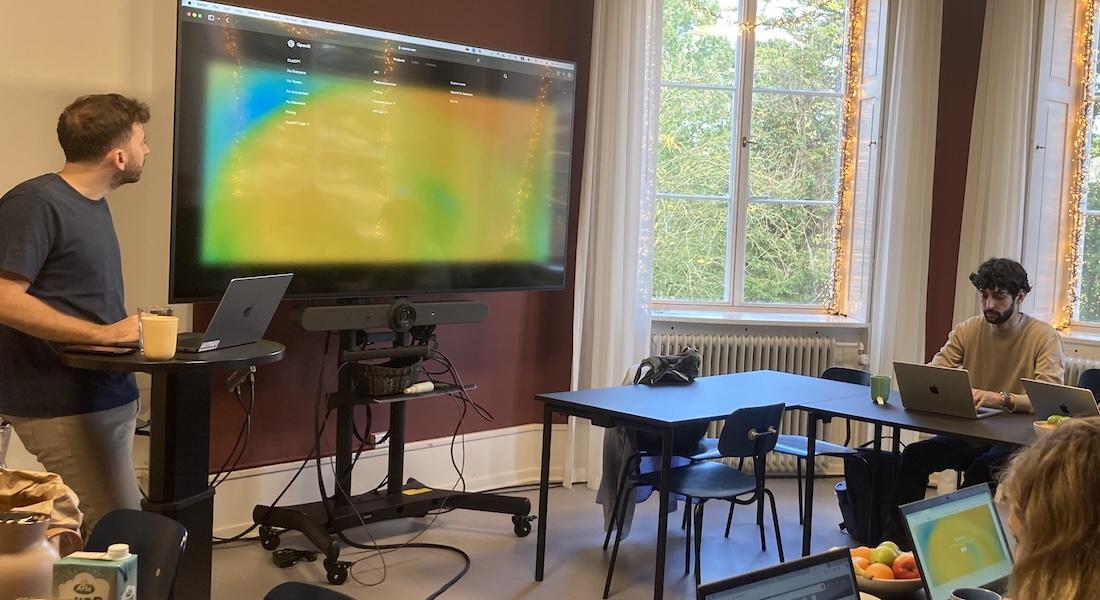
IT University of Copenhagen will build a chatbot that asks open questions and guides students to reason rather than handing them answers.
Read full story →
Rice's university-wide AI initiative will add 75 AI-focused faculty and expand courses, degrees and facilities, connecting AI with medicine, engineering and energy.
Read full story →
At Research@2026, Google presented work spanning Earth observation, medicine, research workflows and data analysis, positioning AI as a tool for scientists and engineers.
Read full story →
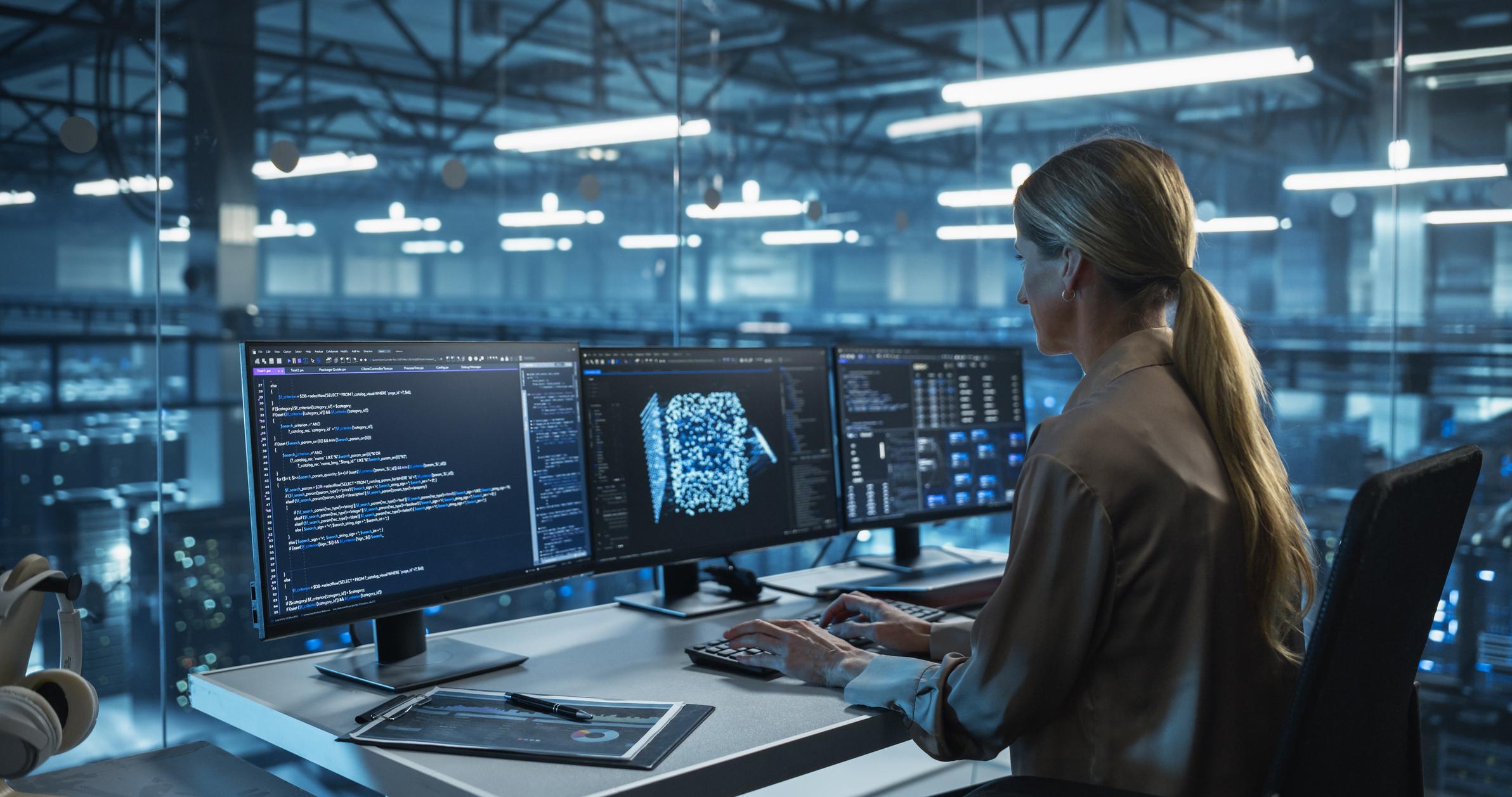
Google Research is studying how foundation models can understand biological data and support automated experiment planning, while stressing validation and expert oversight.
Read full story →
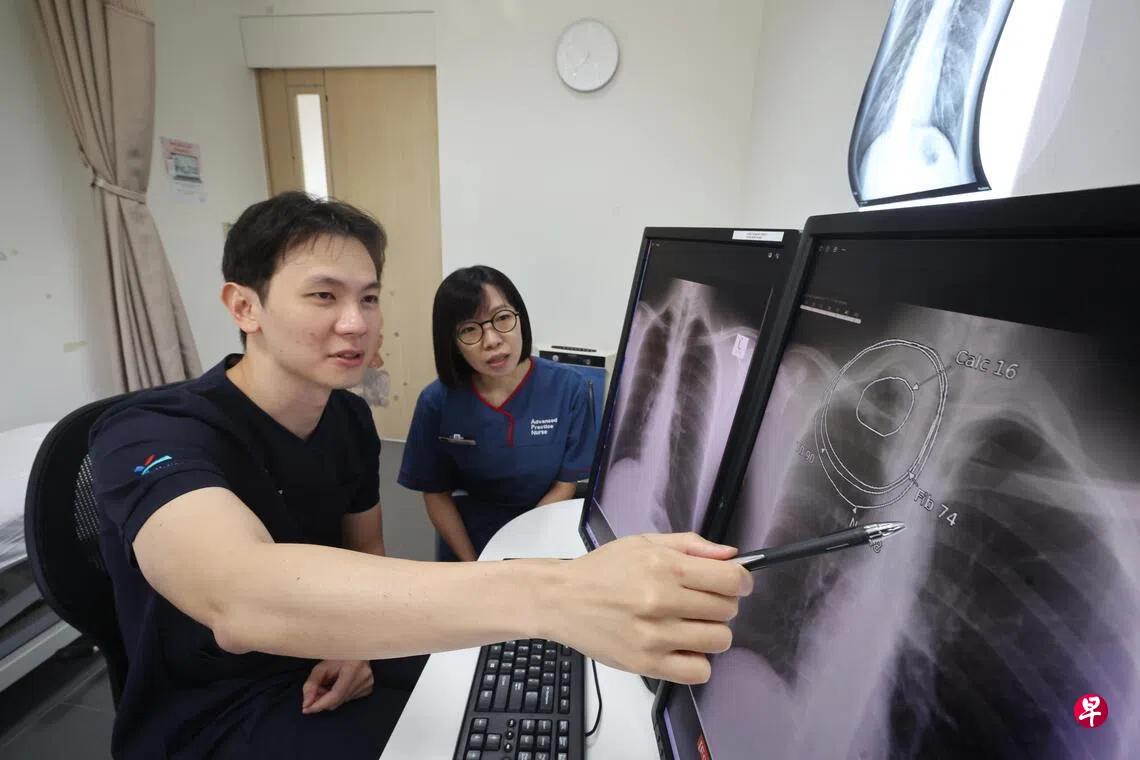
Google Research applies foundation models to chest imaging to flag areas that may need review, aiming to support screening where radiologists are scarce.
Read full story →
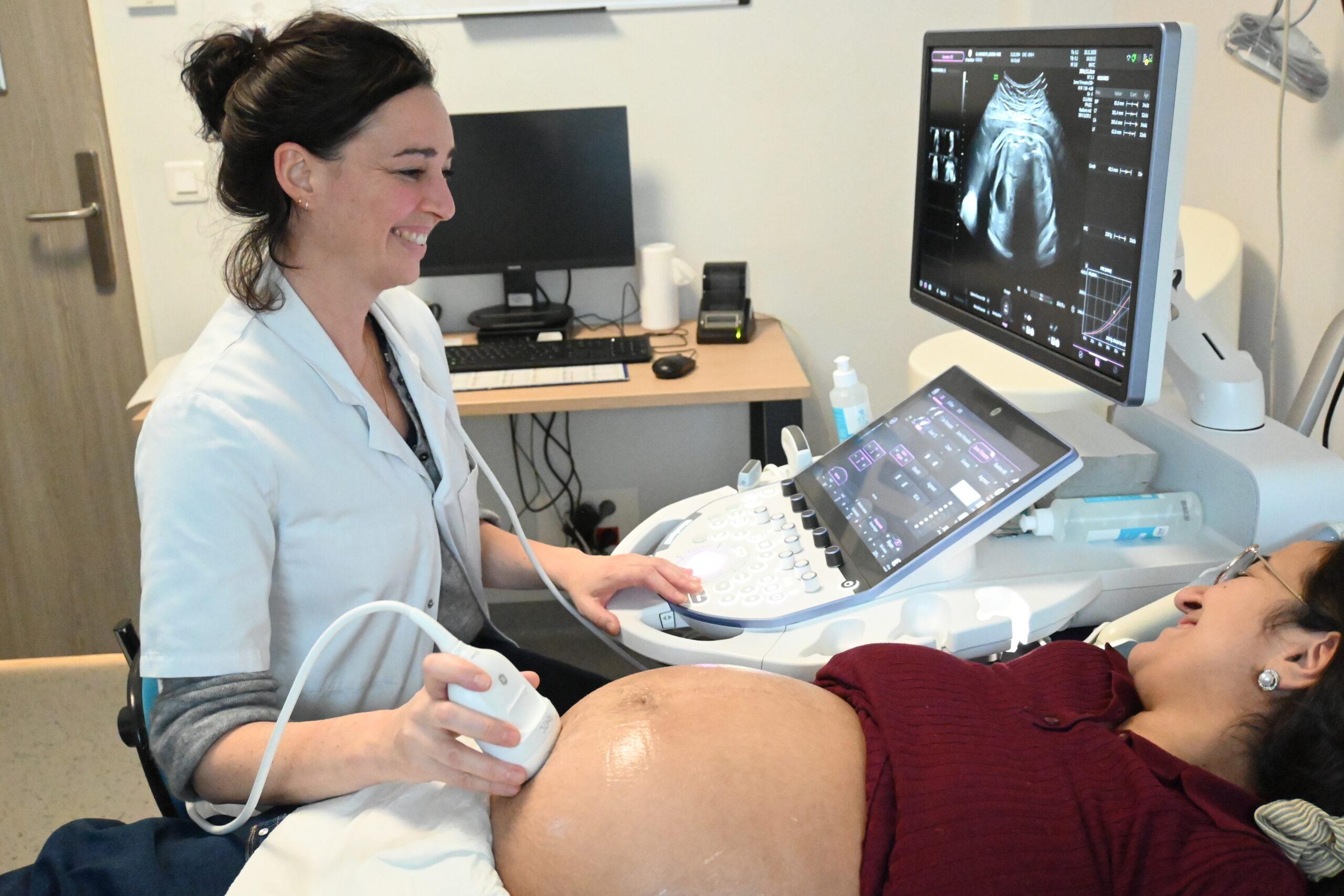
Google Research is exploring AI-assisted maternal ultrasound to help clinicians analyze images and standardize exams in regions short of experienced sonographers.
Read full story →
Deep Review explores AI that helps users analyze technical documents and complex research material, surfacing links between papers to speed up information retrieval.
Read full story →
Deloitte's 2026 survey of 3,500 leaders across 25 countries found the share reporting revenue growth from AI rose from 20% to 27%, and productivity gains from 66% to 75%.
Read full story →
METR found that on specific benchmark tasks an Anthropic model improved about 1.9x faster than in earlier periods, tied to growing AI use in coding and experimentation.
Read full story →
The ITU reports that nearly 20% of the world's working-age population already uses generative AI, while urging more equitable access to avoid a widening digital divide.
Read full story →
Google says its language technology now supports more than 300 languages, reaching about 7 billion people — 86% of the world's population — easing cross-language communication.
Read full story →Disease screening, medical imaging, intelligent diagnosis support, drug discovery and wearable monitoring.
Industrial automation, home robots, smart logistics and robot control systems.
Weather forecasting, precision farming, natural-disaster warning and climate simulation.
Personalized learning, smart teaching assistants, multilingual education and AI talent development.
New-materials discovery, life sciences, protein simulation and research automation.
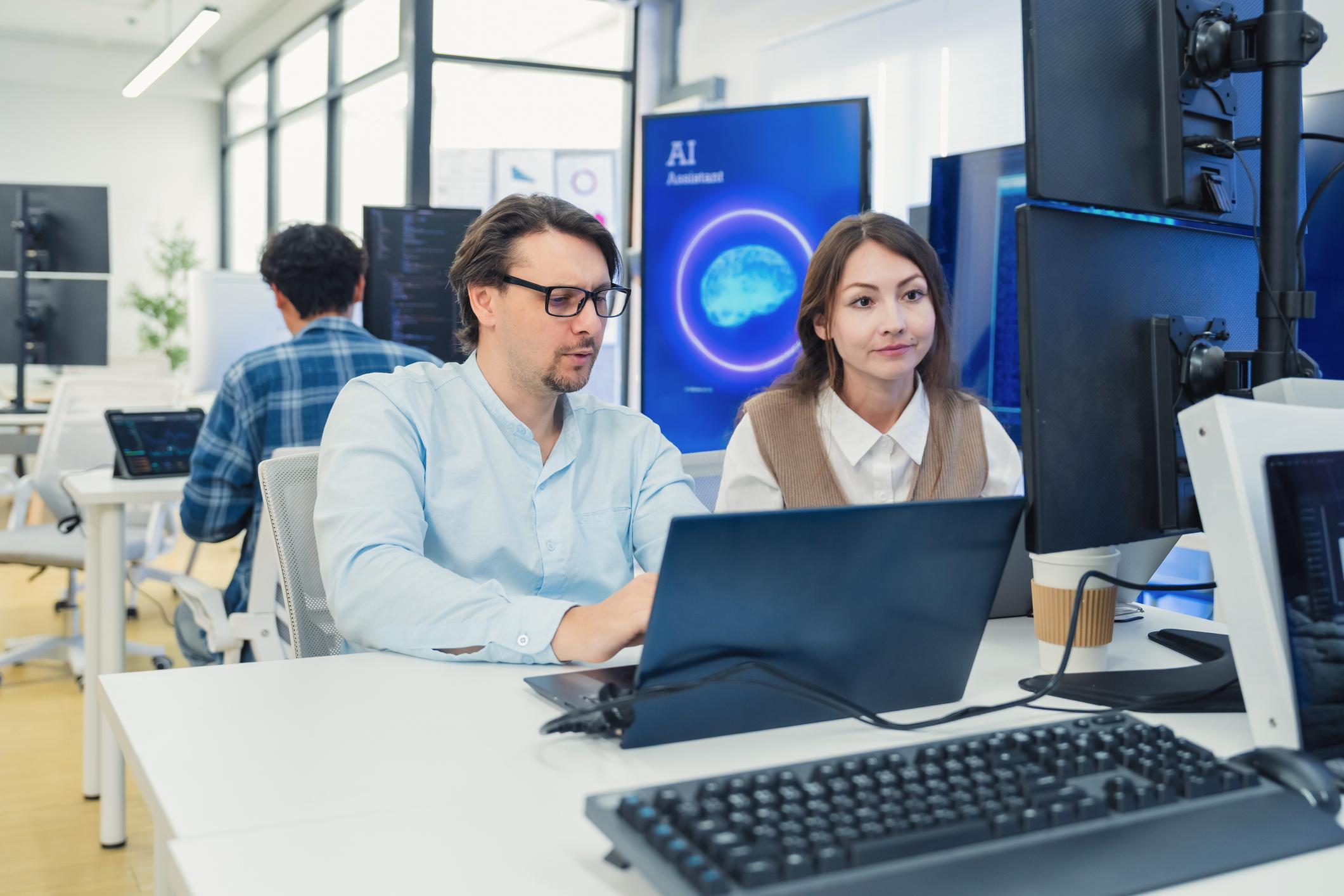
AI chips, cloud computing, enterprise AI agents, software development and global digital services.